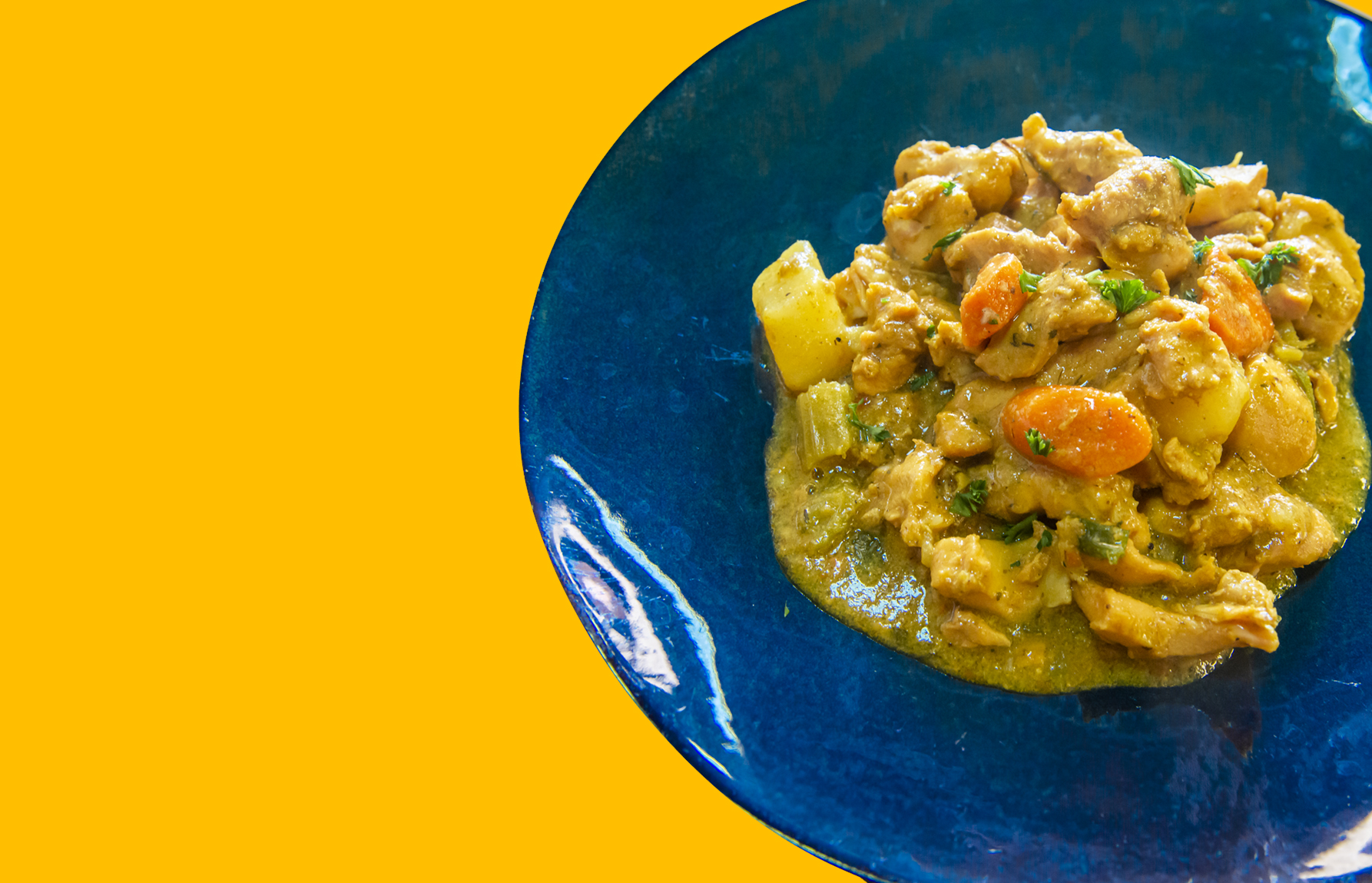
A centennial invites more than a date on a calendar. It asks people to look back, to decide what deserves preservation, and to name what still brings them together after a hundred years of change. When the conversation turns to a Jamaican food centennial, the most meaningful place to begin is not with ceremony, but with a table. Sometimes that table is literal, crowded with enamel plates, bottles of pepper sauce, and a pot still warm from the fire. Sometimes it is a roadside pan under a zinc roof, or a family kitchen with three generations moving around one another without a word wasted. Jamaican food has always carried history in a practical form. It feeds, yes, but it also remembers.
That is why shared meals matter so much in Jamaican life. They are social glue, family archive, neighborhood diplomacy, and celebration all at once. A plate of food tells you who had time to cook, what the market had that morning, how far the salary stretched this week, what season it is, and which elders are still being listened to. There is nothing abstract about it. A pot of red peas soup on a Saturday is comfort, routine, and discipline. A Sunday dinner of rice and peas with chicken or fish is often less about display than about reaffirming a bond. Even the simplest meal, if eaten together, can turn a hard week into something manageable.
What a centennial means in food terms
Centennials often push public attention toward monuments, speeches, and official histories. jamaican food centennial Food works differently. It preserves memory through repetition. Nobody needs a plaque to remember the smell of pimento wood smoke or the particular weight of a festival just lifted from hot oil. The memory lives in the body first. Then it becomes story.
When people talk about a Jamaican food centennial, they are often pointing toward continuity across a hundred years of migration, adaptation, scarcity, celebration, and invention. Jamaican cuisine did not stand still during that time, nor should anyone pretend it did. Dishes changed with trade, urbanization, refrigeration, imported ingredients, tourism, and migration to Britain, Canada, and the United States. At the same time, the core habits of the cuisine remained strikingly resilient. Seasoning stayed bold. Cooking remained communal. The meal continued to function as a social event rather than a private transaction.
That distinction matters. In many places, modern life has isolated eating from community. Food gets compressed into convenience, individual preference, and speed. Jamaica certainly knows convenience food too, but many of its most loved dishes still resist solitary eating. A proper pot of mannish water, a pan of escovitch fish for a gathering, or a tray of baked macaroni and cheese made for a family function all make more sense when several people are involved. The labor is shared, the cost is justified, and the pleasure multiplies.
The long memory of the Jamaican kitchen
No honest discussion of Jamaican food can ignore the forces that shaped it. The island’s cuisine reflects Indigenous knowledge, African technique and endurance, European influence, Indian indentured labor, Chinese migration, and the practical wisdom of people who had to make remarkable food under uneven conditions. This is one reason Jamaican cooking is so layered. It is not just spicy, though people often reduce it to that. It is deeply seasoned, yes, but also strategic. The cuisine knows how to coax richness from cheaper cuts, build flavor in stages, preserve food when fresh supply is uncertain, and make one protein feed many.
That strategy shows up in everyday dishes. Rice and peas is not simply a side. It is architecture. The coconut milk softens and deepens the grain, the scallion and thyme carry aroma through the pot, and the peas bring heft and staying power. Ackee and saltfish is frequently described as a national dish, but at home it is also a lesson in balance. Salt cod provides intensity, ackee brings a soft, almost buttery texture, and the onion, pepper, and tomato sharpen the whole thing into something bright and satisfying. Stew peas, callaloo, rundown, curried goat, pepper pot soup, brown stew fish, and bammy each tell similar stories of technique married to necessity.
A century’s worth of meals also shows how cooks handled contradiction. Jamaican food had to be festive and frugal. It had to impress guests and stretch leftovers. It had to accommodate market shortages, wage realities, and changing tastes among younger people. Good cooks did not solve these tensions by chasing purity. They solved them with judgment. A little more water in the pot. A substitute for what was unavailable. Fresh thyme when possible, dried only when truly necessary. Scotch bonnet used for aroma in one household, for full heat in another. The best traditions survive because they bend without breaking.
Why shared meals sit at the center
Ask people about their strongest food memories and many will describe not only a dish, but a room. They remember who was present, who carved, who served, who arrived late, who insisted everyone eat first before discussing bad news. Shared meals have a way of organizing human behavior. In Jamaican homes, that organization can be subtle but unmistakable. Children learn patience. Elders are often served with deference. Guests are urged to take more, even after refusing once. Recipes are discussed in fragments rather than formal measurements, because much of the knowledge is tactile and auditory. You know the dumpling is ready by the feel. You know the oil is hot enough by the sound.
The joy in these meals is not only generosity. It is participation. People shell peas, wash callaloo, grate coconut, fan coals, slice onions, and taste the gravy. Even those who do not cook contribute by setting the table, carrying containers, or transporting food to a relative who could not come. This is one reason a large Jamaican meal often feels bigger than the dishes themselves. It is the product of a loose team.
There is also a democratic quality to many Jamaican food gatherings. A wealthy person and a working person may both line up at the same jerk pan because quality still depends on the hand of the cook. At a community event, everyone assesses the same curry goat, the same sorrel, the same fried fish. Conversation opens easily around flavor. One aunt thinks the soup needs more yam. Another says the pepper is perfect. Nobody needs a formal invitation to that debate.
The centennial table, then and now
Imagine a centennial celebration built around food. The menu would likely be part memory, part statement. Some dishes would be there because no one would forgive their absence. Others would be included because they represent regional habits, migration stories, or the practical evolution of the cuisine.
There would almost certainly be jerk, but perhaps not in the flattened version often sold abroad. Proper jerk is not merely a spice blend. It is method, smoke, patience, and control of heat. There would be curried goat cooked long enough for the connective tissue to relax without the meat falling apart into mush. There might be escovitch fish with its sharp, pickled vegetables cutting through richness. Rice and peas would anchor the meal. So would plantain, festival, and some version of salad, if only to satisfy the expectation that a celebratory plate should show contrast.
Yet a true Jamaican food centennial table would also make room for quieter dishes, the ones that rarely headline a tourism brochure but mean a great deal in everyday life. Cornmeal porridge. Boiled green banana with mackerel. Run down. Gungo peas soup when the season is right. Those foods speak honestly about the island, because they reveal what sustained people between the grand occasions.
The most moving centennial meals are often those that bridge generations. An older cook insists on doing part of the work by hand because that is how flavor and texture are controlled. A younger relative handles the ordering, transport, and digital invitations. One person wants the traditional recipe untouched. Another needs a vegetarian option because the family has changed. This is not a crisis. It is what living food cultures do. They negotiate.
The discipline behind the pleasure
People sometimes romanticize communal food without acknowledging the labor involved. Shared meals are joyful, but they are work. A proper Sunday spread or event meal does not materialize out of sentiment. Someone shops carefully. Someone cleans and seasons. Someone wakes early to put on the pot. Someone manages timing so that the fried items stay crisp and the gravies remain lively. Someone handles the inevitable problem, which may be late guests, under-ripe avocado, a stove acting up, or too many opinions in one kitchen.
Experienced Jamaican cooks tend to think in systems rather than single dishes. If the chicken is in the oven, what can use the front burners. If the soup is already heavy, perhaps the side should be lighter. If the guests include people who cannot tolerate a lot of pepper, where can heat be concentrated without flattening the whole meal. This practical intelligence rarely gets enough recognition, yet it is part of what makes the cuisine so respected. Flavor is not accidental. It is managed.
There is a lesson in that for anyone planning a shared meal, whether for a centennial celebration or a simple family gathering. The best menus balance ambition with realism. One spectacular pot done well creates more pleasure than six dishes cooked in panic. Good hosts know when to simplify. They choose dishes that can rest without losing quality. They make sure there is enough starch, enough gravy, enough drink, and enough seating for older guests. They understand that hospitality is a chain of small decisions, not a single grand gesture.
Taste, memory, and the Jamaican diaspora
A hundred years of Jamaican food history cannot be told only on the island. Migration changed the cuisine, and in many ways strengthened its symbolic power. Abroad, food became one of the most durable ways for Jamaicans to keep familiar rhythms alive. A person could be in London, Toronto, or Brooklyn and still know what Saturday soup meant. The ingredients might differ slightly. The scotch bonnet might come from a specialty shop rather than a backyard plant. The thyme might not smell quite the same in winter. Still, the act of cooking reassembled home in a practical way.
Shared meals become even more charged in diaspora settings because they answer several needs at once. They fend off homesickness. They introduce younger relatives to language and custom. They gather friends who miss not just the food, but the atmosphere around it. Anyone who has spent time around Jamaican families overseas has seen how quickly a kitchen can become a social hub once proper cooking begins. Someone tastes the stew and starts telling stories about a grandmother. Someone else argues about whether the dumpling should be firmer. Children who were restless five minutes earlier suddenly want to know when the patties are ready.
This is where the phrase Jamaican food centennial gathers emotional force. It points not only to elapsed time, but to endurance under movement. The dishes survived relocation because they remained useful. They still fed crowds. They still carried meaning. They still turned strangers into company.
The market, the cookshop, and the roadside fire
To understand Jamaican food fully, one must look beyond the home. Public eating matters deeply too. Markets teach seasonality and bargaining. Cookshops teach consistency and value. Roadside vendors teach immediacy. These spaces create a broader culture of shared meals, where people who are not related still eat within a common framework of taste and expectation.
The cookshop, in particular, deserves respect. A good one performs a kind of social service. It feeds workers who need value, students watching their money, elders who no longer cook every day, and travelers who want something better than packaged convenience. The best cookshops reggaepotjamaicangrill.com jamaican food centennial are judged harshly and fairly. If the gravy is thin, people notice. If the rice is stale, word spreads. If the stew peas tastes like home, customers return with loyalty that no advertising budget could buy.
Roadside jerk has a different social energy. The smell alone gathers people. Smoke travels. Appetite follows. People stand, chat, wait, compare notes about one pan versus another. You may arrive intending to buy food quickly and end up in conversation for twenty minutes. This is another form of shared meal, less intimate than a family dinner but still communal. Public food creates temporary fellowship.
How centennial celebrations can honor the cuisine honestly
There is always a risk that milestone celebrations turn food into decoration. The safer, more honest approach is to let the food do what it has always done, nourish people well and bring them into relation with one another. That means paying attention to execution rather than relying on symbolic menus alone.
A strong centennial food program, whether for a community organization, cultural institution, or family event, usually succeeds when it does a few things well:
It includes both iconic dishes and everyday staples, so the meal reflects lived Jamaican eating rather than a postcard version. It involves cooks who understand the cuisine from practice, not only from branding. It creates room for story, because memory is part of the meal and older voices should be heard. It accommodates present realities, including dietary needs and ingredient access, without stripping the food of character. It serves enough food, properly timed, because nothing weakens celebration faster than scarcity or long delays.Those points sound simple. In practice, they require judgment. For instance, there is often tension between scale and quality. Jerk cooked for a crowd can lose some finesse if the fire and seasoning are not managed carefully. Fried fish holds poorly if done too far in advance. Ackee has a narrow window where it looks and tastes its best. A centennial meal, precisely because it carries symbolic weight, should not pretend these are minor issues.
The emotional truth of passing a plate
Shared meals endure because they solve emotional problems that formal events cannot. They soften grief, settle quarrels, mark births, celebrate exams, welcome visitors, and steady people after church, funerals, weddings, and hard work. Food does not erase conflict, but it often creates enough calm for conversation to happen. Passing a plate is a practical act with moral weight. It says you belong here long enough to be fed.
That belonging is especially visible in Jamaican culture because hospitality is often active rather than passive. People do not merely place food on a table and step back. They urge, adjust, recommend, insist. Taste this gravy. Take another dumpling. Mind the pepper in that one. Save some sorrel for later. There is care in the management of the meal. The host wants not only to provide food, but to shepherd pleasure.
This is one reason the memories last. The dish may be excellent, but the feeling around it is what stays vivid. The pot was opened and everyone leaned in. The first batch was shared standing up because nobody wanted to wait. Someone carried a container to a neighbor next door. Children hovered near the kitchen hoping for an early piece of fried chicken. That is the real archive.
Keeping the next hundred years alive
If a centennial teaches anything, it is that food traditions survive through use. They do not survive because people praise them in the abstract. They survive because someone still knows how to season a fish properly, wash rice until the water runs clearer, judge coconut milk by eye, and control pepper with confidence rather than fear. They survive because families still gather often enough for younger people to absorb what no recipe card can fully explain.
The next century of Jamaican food will not look identical to the last, and it should not. Climate pressures, ingredient prices, migration, health concerns, and changing work schedules will continue to shape what people cook. Some dishes may become occasional luxuries rather than weekly habits. Others may adapt with new ingredients or lighter methods. That does not have to mean loss. It can mean intelligent continuity.
What matters is preserving the spirit of the cuisine, the insistence on flavor, generosity, and company. A Jamaican food centennial is worth honoring not simply because old dishes remain popular, but because they continue to create occasions for people to gather, argue, laugh, remember, and feed one another well. A century is a long time. A shared meal makes that time tangible. It gives history aroma, texture, heat, and a seat at the table.
Reggae Pot Jamaican Grill
Address: 7562 S University Blvd C, Centennial, CO 80122
Phone number: +13039975623
FAQ About Jamaican Food Centennial
What is typical Jamaican food?
Typical Jamaican food features bold, vibrant flavors created by blending African, Taino, European, and Asian influences.
What is a famous Jamaican dish?
The most famous Jamaican dish is Ackee and Saltfish, which is the national dish of Jamaica.
What are the top 10 foods to eat in Jamaica?
AI Overview The top 10 traditional foods to eat in Jamaica are bold, flavorful dishes that mix local ingredients with global influences.